
A Broken Night and a Slow Start
We had more potty problems through the night and it carried on through the day. I think River may have caught a little bug. Kike’s not been well this week, so it could be connected. He had to work this morning, which left me with both kids. Thankfully, Kate stayed over so I had an extra pair of hands and most importantly, someone to keep an eye on River while I took Summer to Jiu-jitsu. Honestly, who books a 9am club on a Saturday? (Clearly us, as she’s got 9am swimming class tomorrow too!)
The rest of the morning was slow: weekend cleaning, washing, fridge check. River was in a good mood, lots of jumping, spinning and plenty of chatter about his missing best friend Gary. Summer spent most of the day crafting accessories for her Labubus dolls (A small Gremlin looking thing – this year’s “must-have” toy).
Kike arrived home mid-afternoon, Kate left and I grabbed the opportunity for a nap. Later we all curled up with movies and some easy play, a much-needed reset after my first full week back at work.
A Small Bookshop Win
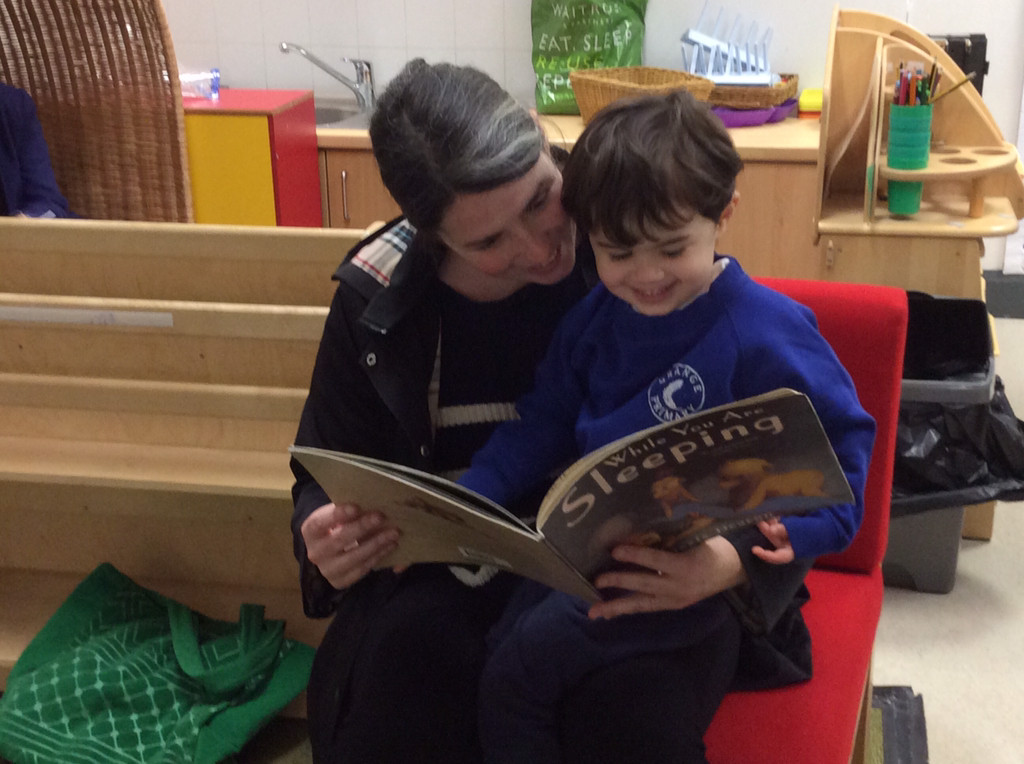
While Summer was at Jiu-jitsu, I spotted a box of free books. We picked a few for River, he loves lift-the-flap books and one in particular caught my eye, with a monster hiding behind the letterbox. He was delighted. It reminded me how books have been such a big part of River’s story, which brings me to something I’ve wanted to share for a while: River’s unusual reading journey.
The “Superpower” Narrative
I’m sometimes hesitant to tell people about River’s reading because of the way Autism is often portrayed. More than once, I’ve been asked: “So, what’s River’s superpower?”
There’s a well-meaning trend in schools, asking children to dress up as superheroes to “celebrate Autism as a superpower.” I understand the intention: to highlight strengths like memory, attention to detail, or pattern recognition. But while raising awareness is valuable, it can also be misleading, even damaging.
The truth is, Autism is not a superpower. It is a different way of processing and experiencing the world, one that comes with unique abilities but also very real challenges. Focusing only on the “super” risks dismissing the hard work, frustration and exhaustion that children like River (and their families) live with every day. His ability to read early is incredible but it doesn’t cancel out the delays in his language, his difficulties with social interaction or the support he’ll continue to need.
River’s brain processes information differently. Sometimes that difference looks like a gift. Sometimes it looks like a barrier. Most often, it’s both at once.
How We Discovered It
When River was about two and a half, as I’ve mentioned he wasn’t really speaking. A handful of words, some numbers, some colours but nothing more. We used to take him to toddler screenings at the cinema every week. One day, Kike came home and said, “I think River can read.”
I thought he was joking. “He can barely talk, of course he can’t read!” But Kike explained that during the film, words flashed up on screen, colours and River mumbled them before anyone said them. They weren’t written in their own colours either. How could he know?
At first I brushed it off. But then he started doing it with TV episodes too. He’d mumble titles, ones he’d never seen before. When he began talking more, we tested him. We’d deliberately choose the wrong episode until he got frustrated: “NO! OPPOSITES!” or “NO! FLOAT AND SINK!”
I mentioned it at his old nursery but they’d always reassured me that “there was nothing wrong with River” and weren’t taking me seriously. So I pointed to a poster on the door. “What does that say, River?” The staff looked at me like I was being ridiculous. He stared for a moment and then mumbled, “Don’t use your mobile phones inside the building.” The nursery worker’s jaw dropped. I just said calmly, “I told you he can read.”
Hyperlexia: A New Word for Us
That was the moment I started researching and I discovered the term Hyperlexia.
Hyperlexia describes children who show advanced early reading ability and a fascination with letters or numbers, alongside significant challenges with spoken language, comprehension and social communication. Looking back, I can think of children I’ve taught who clearly had this but at the time I didn’t know what to call it.
For River, it fits perfectly. He taught himself to read by the subtitles on the TV. We always have the subtitles on at home. When Kike first moved to the UK – he sometimes struggled with different accents. We put the subtitles on and never turned them off.
Reading isn’t a passion for him yet, it’s a tool. He won’t let many people see him read, one of his therapists didn’t believe me so I have to film him sometimes in secret to prove it.
It helps him label the world, choose his Halloween episodes, or recognise toy boxes. I’m relieved I won’t need to worry about him learning to read at school, though I’m fully prepared for the inevitable phonics battle.
But I want to be clear: River’s ability to read doesn’t erase his needs. His language is still delayed. His social understanding is still developing. He still struggles with processing and regulation. Reading is a strength but it doesn’t make him “superhuman.” It makes him River.
 50 days of River
Leave a comment